


Intellectual Property Protection Guide for Global Growth

Securing a unique innovation or bold brand can be the difference between global success and costly setbacks for growing startups. For founders in fast-paced sectors like Food Tech and Gaming, intellectual property shapes market position and attracts investors. Strategic intellectual property management is more than paperwork—it protects assets, simplifies international expansion, and creates measurable economic value that drives lasting growth.
Table of Contents
Quick Summary
Key Point | Explanation |
1. Assess Intellectual Property Assets | Conduct a comprehensive inventory of all IP assets, including patents, trademarks, and copyrights, to gauge their market value and protection status. |
2. Develop Global Protection Strategy | Analyze target markets to implement a strategic plan for IP protection that complies with local laws and maximizes economic potential. |
3. Implement Legal Registration and Tracking | Register all IP assets through appropriate channels and use digital tracking technologies to ensure ongoing protection and compliance. |
4. Validate Compliance with International Regulations | Regularly audit your IP strategy against global legal frameworks to ensure you meet international intellectual property standards. |
5. Monitor and Enforce IP Rights | Establish a proactive monitoring system for potential infringements and create clear response protocols to protect your intellectual property. |
Step 1: Assess existing intellectual property assets
Assessing your intellectual property assets is a critical first step in developing a robust global growth strategy. In this phase, you will systematically catalog and evaluate the unique innovations and creative works that form the foundation of your business’s competitive advantage.
Begin by conducting a comprehensive inventory of all potential intellectual property (IP) assets within your organization. This includes patents, trademarks, copyrights, trade secrets, and design rights. Intellectual property management requires a strategic approach that goes beyond simple documentation. Examine each asset through multiple lenses: legal protection, market potential, and economic value. Look for innovations that can be legally registered and have clear commercial applications.

Documentation is key during this assessment. Create a detailed spreadsheet that captures critical information for each IP asset: description, creation date, potential market value, current protection status, and expiration dates. Pay special attention to assets that demonstrate unique technological solutions or creative expressions that distinguish your business from competitors.
Pro tip: Schedule an annual IP audit to ensure your asset inventory remains current and aligned with your evolving business strategy.
Here’s a summary of key intellectual property (IP) categories and their distinct characteristics:
IP Category | Main Purpose | Typical Protection Duration | Registration Required |
Patent | Protects inventions and technology | 20 years from filing date | Yes, with national office |
Trademark | Differentiates brands and logos | 10 years, renewable | Yes, by jurisdiction |
Copyright | Covers creative works | Life of author plus 70 yrs | No for basic protection |
Trade Secret | Safeguards confidential know-how | Indefinite (if kept secret) | No, internal measures |
Design Right | Shields unique product appearance | 15-25 years, varies by region | Yes, with design office |
Step 2: Map global protection strategy for IP categories
Developing a comprehensive global protection strategy for your intellectual property requires meticulous planning and strategic foresight. In this critical phase, you will create a roadmap that safeguards your innovative assets across different international jurisdictions and market landscapes.
Start by conducting a thorough analysis of your target markets and their specific intellectual property regulations. Each country has unique legal frameworks and registration requirements that can significantly impact your protection strategy. Intellectual property protection steps necessitate understanding regional nuances such as patent filing procedures, trademark registration timelines, and copyright enforcement mechanisms. Prioritize markets with strong intellectual property laws and robust legal infrastructures that align with your business expansion goals.
Create a detailed matrix that categorizes your IP assets by type (patents, trademarks, copyrights) and maps them against potential international jurisdictions. Consider factors like market size, technological infrastructure, potential revenue streams, and legal complexity. Evaluate the cost effectiveness of protection in each region balance the investment required for registration against potential economic returns. Research international treaties like the Patent Cooperation Treaty and Madrid Protocol that can streamline your global IP protection process.
Pro tip: Consult with local intellectual property experts in each target jurisdiction to uncover subtle legal requirements and optimize your protection strategy.
The following table compares major international treaties that streamline IP protection worldwide:
Treaty/Protocol | Main Function | Key Benefit |
Patent Cooperation Treaty (PCT) | Simplifies patent filing in many countries | Single application for multiple nations |
Madrid Protocol | Eases international trademark registration | Centralized trademark management |
Berne Convention | Harmonizes copyright protection | No formal registration needed |
Hague Agreement | Simplifies international design registration | Apply for design rights in many countries |
Step 3: Implement legal registration and digital tracking
Transforming your intellectual property protection strategy requires a comprehensive approach that blends legal documentation with advanced digital security measures. In this crucial stage, you will establish robust mechanisms to legally register your assets and implement cutting-edge tracking technologies that safeguard your innovations across global platforms.
Begin by systematically registering each intellectual property asset through official national and international channels. This involves preparing detailed documentation for patents, trademarks, and copyrights, ensuring comprehensive legal protection across your target markets. Cybersecurity measures for intellectual property have become increasingly sophisticated, incorporating advanced technologies like encryption, multi-factor authentication, and AI-driven threat detection. Implement a digital tracking system that combines legal registration with technological monitoring, creating multiple layers of protection for your most valuable intellectual assets.
Develop a centralized digital repository that tracks the lifecycle of each intellectual property asset. This system should document registration dates, renewal requirements, geographical coverage, and potential enforcement actions. Integrate blockchain or similar immutable tracking technologies to create an auditable record of your IP ownership, providing timestamped evidence of creation and registration. Establish clear protocols for monitoring potential infringements and create a rapid response mechanism for addressing unauthorized use of your intellectual property.
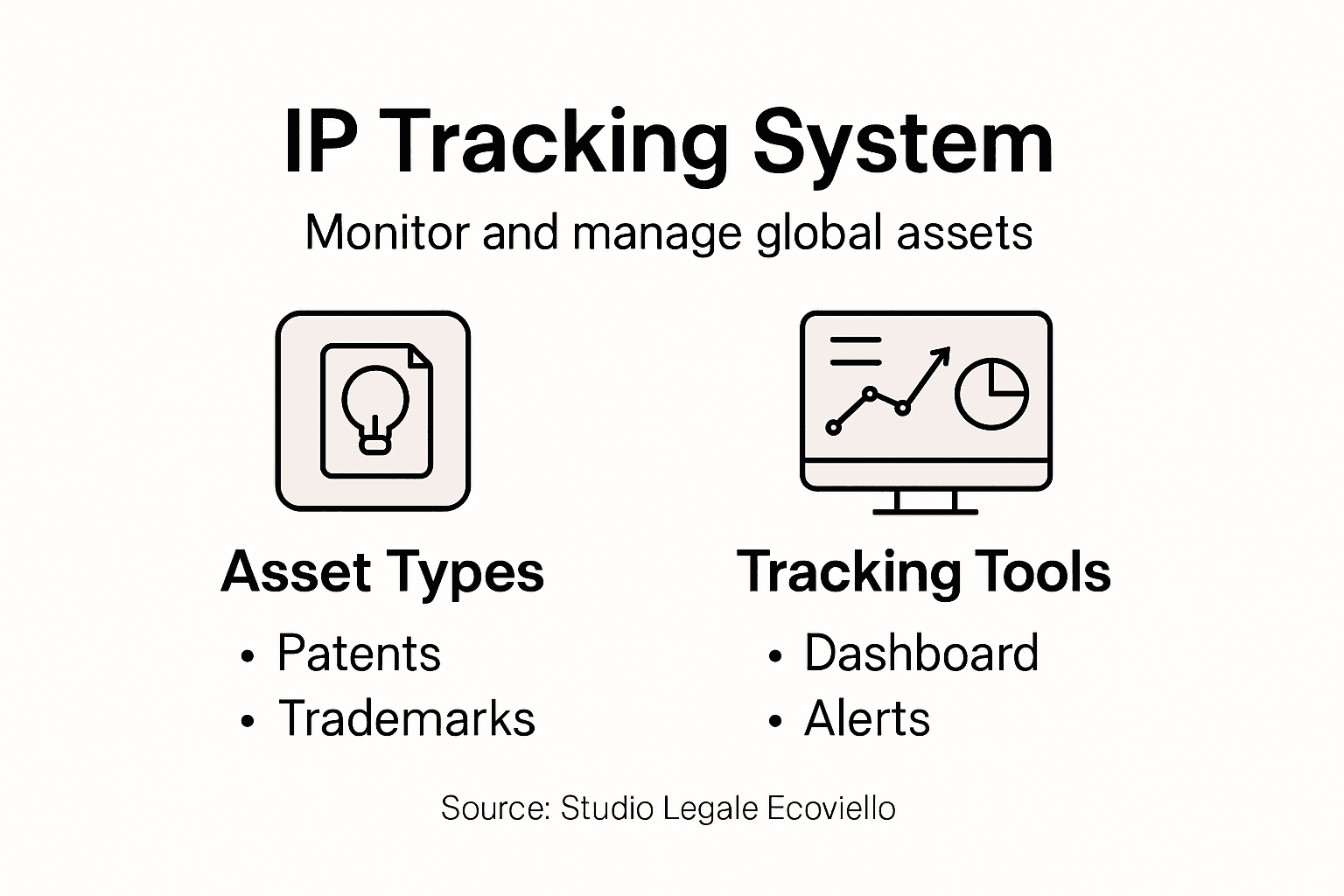
Pro tip: Create a dedicated digital dashboard that provides real time updates and alerts for all your intellectual property registrations and potential security risks.
Step 4: Validate compliance with international regulations
Ensuring global compliance with intellectual property regulations is a complex but critical process that demands meticulous attention to international legal frameworks. Your goal in this step is to systematically verify that your intellectual property protection strategy meets the rigorous standards set by global regulatory bodies.
International IP legal frameworks require organizations to navigate a complex landscape of regional, national, and international regulations. Conduct a comprehensive audit of your intellectual property assets against key international standards, with particular focus on the World Trade Organizations TRIPS Agreement requirements. This involves creating a detailed compliance checklist that covers patent protection, trademark registration, copyright enforcement, and trade secret management across different jurisdictions. Pay special attention to variations in legal interpretations, registration processes, and protection duration in each target market.
Develop a robust compliance validation process that includes regular legal reviews and external expert consultations. Create a dynamic tracking system that monitors changes in international IP regulations, ensuring your protection strategy remains current and adaptive. This might involve establishing relationships with local legal experts in each jurisdiction, participating in international IP conferences, and subscribing to regulatory update services. Implement a structured approach to documenting compliance, maintaining detailed records of registration processes, legal interpretations, and potential regulatory challenges.
Pro tip: Invest in specialized compliance management software that provides real time updates and automated tracking of international intellectual property regulations.
Step 5: Monitor and enforce intellectual property rights
Establishing a robust monitoring and enforcement strategy is crucial for protecting your intellectual property in an increasingly complex global marketplace. Your objective is to develop a proactive approach that identifies potential infringements and takes swift, strategic action to defend your innovative assets.
Intellectual property enforcement mechanisms provide critical tools for protecting your rights across international jurisdictions. Implement a comprehensive monitoring system that combines technological surveillance with legal tracking. This involves setting up automated digital monitoring tools that scan online platforms, marketplaces, and industry publications for potential unauthorized use of your intellectual property. Create a detailed tracking matrix that documents potential infringements, categorizing them by severity, geographic location, and potential economic impact.
Develop a tiered response strategy for addressing intellectual property violations. Start with cease and desist communications for minor infractions, escalating to legal proceedings for more serious challenges. Build relationships with local legal experts in each jurisdiction to ensure you can quickly and effectively respond to international IP threats. Establish clear internal protocols for documenting and responding to potential infringements, including detailed record keeping and a rapid response team dedicated to protecting your intellectual property rights.
Pro tip: Invest in specialized intellectual property monitoring software that provides real time alerts and comprehensive global tracking capabilities.
Secure Your Intellectual Property for Global Success
Navigating the complexities of international intellectual property protection can feel overwhelming. This article highlights key challenges such as assessing your IP assets, creating a global protection roadmap, and enforcing your rights across diverse legal systems. You need a trusted partner to help you manage patents, trademarks, copyrights, and trade secrets while leveraging cutting-edge technology for digital tracking and compliance.

At Studio Legale Ecoviello, we specialize in comprehensive legal and technical consulting tailored to protect your intellectual property worldwide. Our expertise spans patent strategies, trademark registration under protocols like the Madrid Protocol, and advanced digital solutions including AI-driven monitoring and secure IP management apps. Don’t let your innovations go unprotected. Act now to safeguard your competitive edge with expert guidance designed for international growth. Contact us today through our main page to begin securing your global IP portfolio and benefit from a proactive, technology-powered approach to intellectual property protection.
Frequently Asked Questions
How can I assess my existing intellectual property assets?
To assess your existing intellectual property assets, conduct a comprehensive inventory that includes patents, trademarks, copyrights, trade secrets, and design rights. Create a detailed spreadsheet documenting each asset’s description, creation date, potential market value, and current protection status.
What steps should I follow to develop a global protection strategy for my intellectual property?
To develop a global protection strategy, analyze your target markets and their specific intellectual property regulations. Create a matrix categorizing your IP assets by type and map them against potential international jurisdictions, prioritizing regions with strong legal protection and favorable market conditions.
How do I legally register my intellectual property assets?
To legally register your intellectual property assets, prepare detailed documentation and submit it through the relevant national and international channels. Ensure you keep track of registration dates and renewal requirements to maintain your legal protection over time.
What international regulations should I be aware of for compliance?
You should be aware of key international regulations like the World Trade Organization’s TRIPS Agreement, which sets minimum standards for intellectual property protection. Conduct an audit of your assets against these standards and create a compliance checklist to keep your strategy current with evolving regulations.
How can I effectively monitor and enforce my intellectual property rights?
To monitor and enforce your intellectual property rights, implement a comprehensive monitoring system that includes digital surveillance tools and legal tracking. Develop a tiered response strategy, starting with cease and desist letters for minor violations and escalating to legal action for serious infringements.
What technology can help protect my intellectual property?
Technology such as digital tracking systems, encryption, and automated monitoring tools can significantly enhance your intellectual property protection. Consider creating a centralized digital repository to manage your registrations and implement real-time alert systems to monitor for potential infringements.
Recommended

Comments